Shikarpur in upper Sindh was founded in 1617 as a trading town on the caravan route through the Bolan Pass into Afghanistan. In the 18th and 19th centuries it became a main stop between Central Asia and India, and Shikarpuri merchants financed caravans and traded as far as Kabul, Bukhara and Samarkand. Long before Karachi became a metropolis, Shikarpur was one of the richest trading towns in the region. With the caravans came spices, recipes and an appetite for food that could survive long journeys. Achar was perfect.
A tradition older than Pakistan
Shikarpur's achar tradition goes back to before Partition, when local families perfected its intricate preparation. Women in Shikarpur have made achar at home for generations, and the city still has a dozen pickle factories and shops whose jars travel all over Pakistan and abroad.
What makes Shikarpuri achar different?
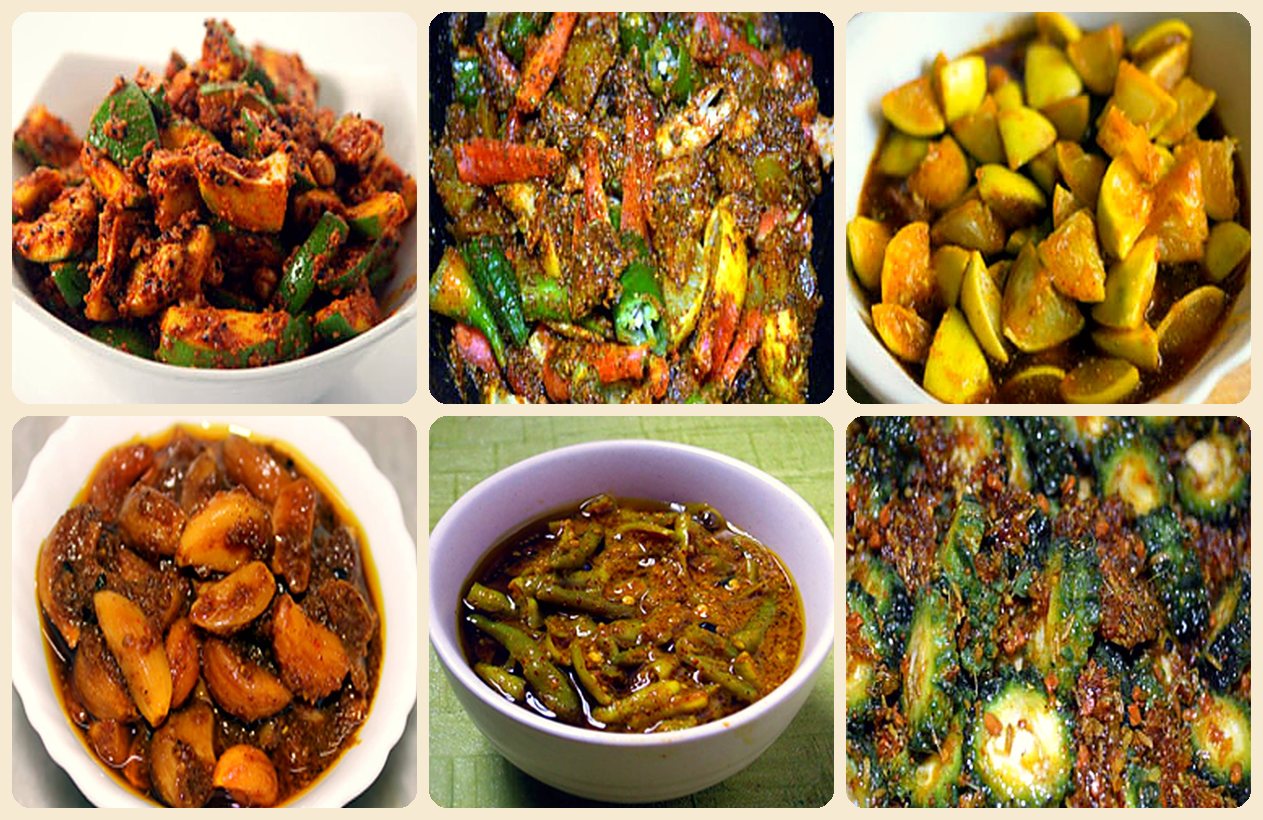
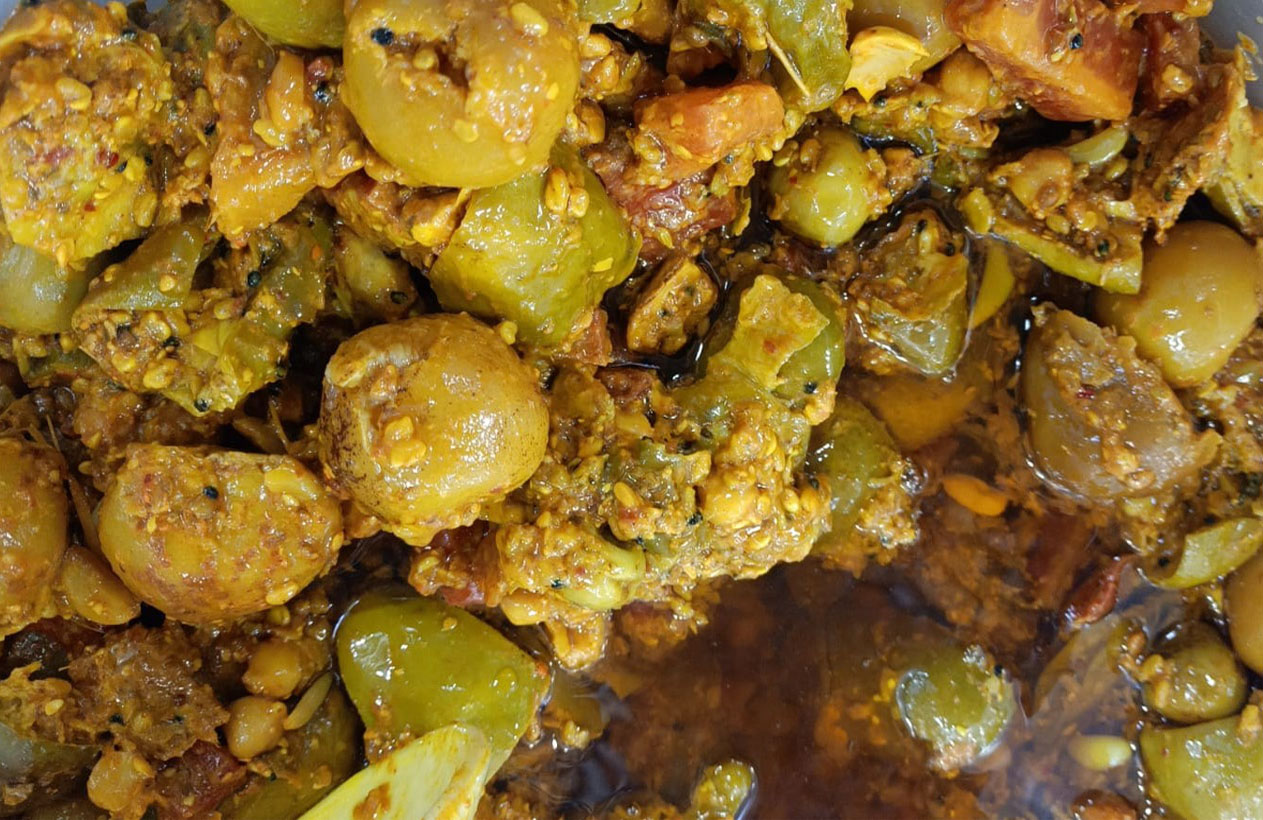
- Mustard oil: lots of it. Every piece is fully submerged, which preserves it and carries the spice deep inside.
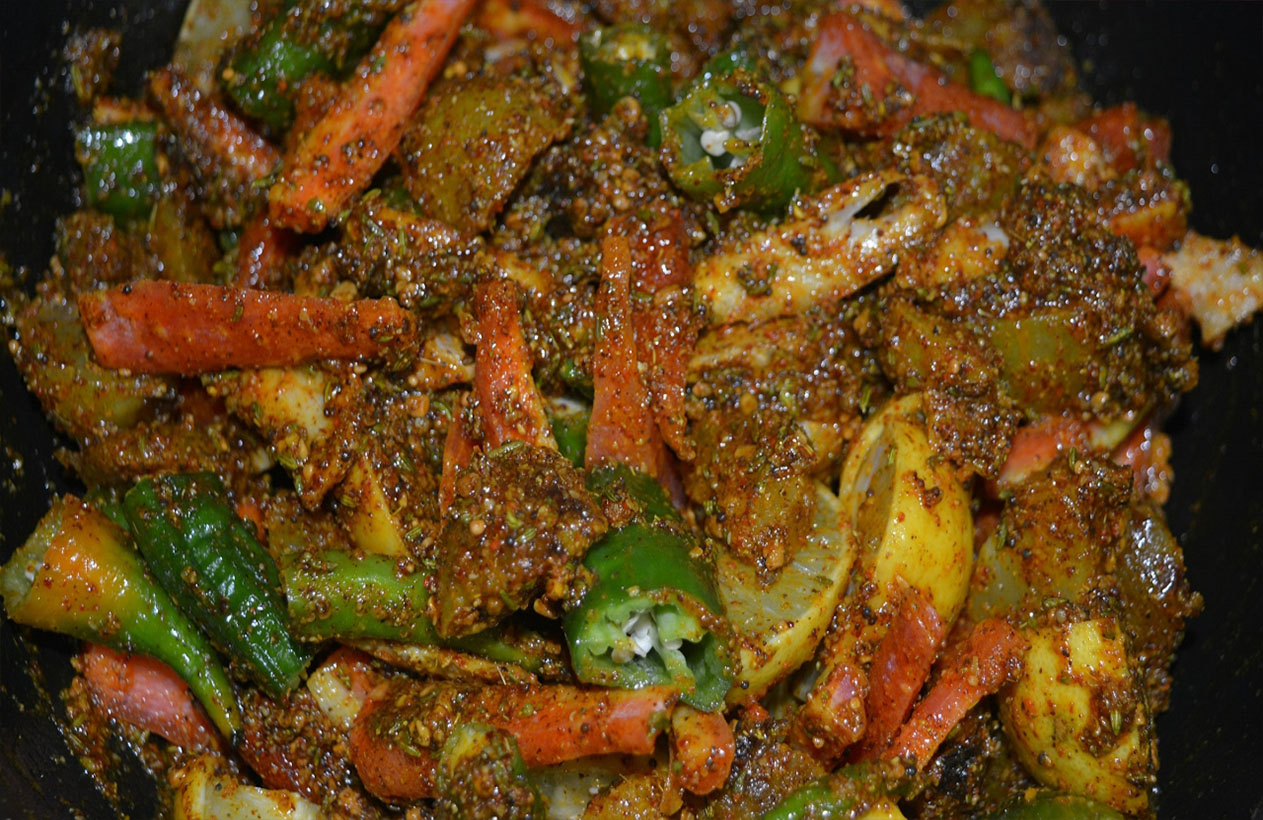
- Roasted whole spices: saunf (fennel), kalonji (nigella), methi dana (fenugreek) and rai (mustard seed), roasted and coarsely ground.
- Bold red chilli: Sindhi achar is unapologetically spicy.
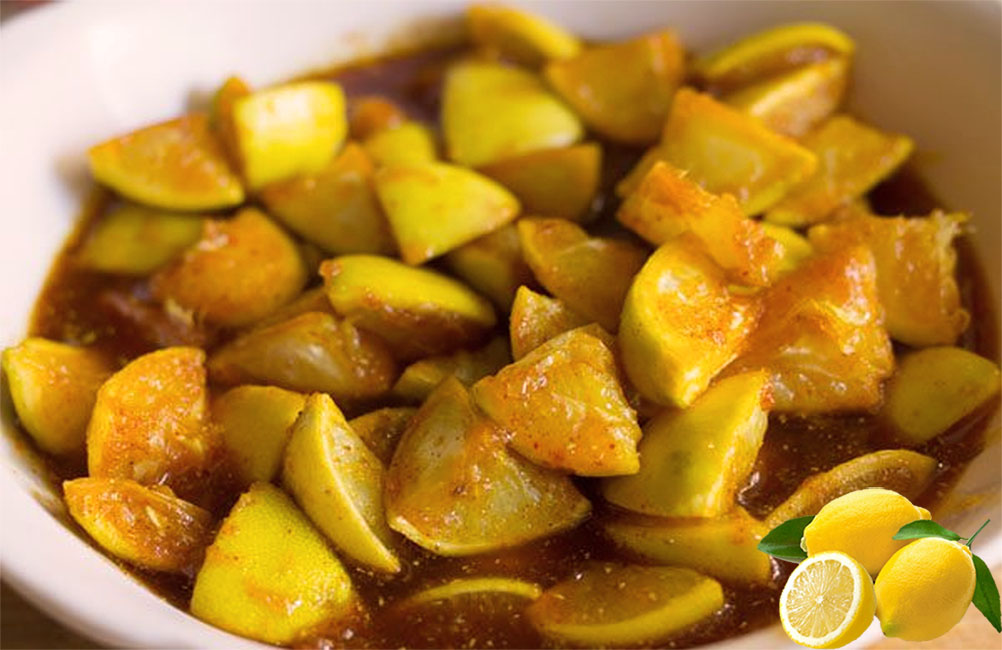
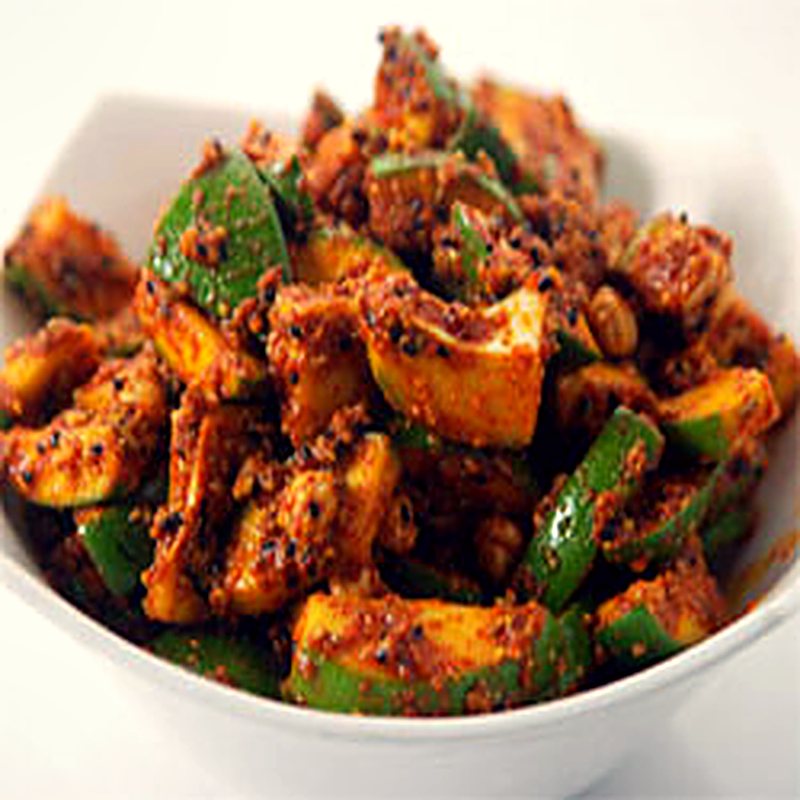
- Local produce: Sindhi mangoes, lemons and specialities like beeh (lotus stem), which grows in Sindh's lakes.
From Shikarpur to the rest of Pakistan
Families who moved from Sindh to Lahore, Islamabad and abroad took their love of Shikarpuri achar with them, and it became a taste of home. Today "Shikarpuri achar" is a byword across Pakistan for authentic, spicy, mustard-oil pickle.
Keeping the tradition alive
We still make our achar the traditional way, by hand and in small batches, and deliver it across Pakistan. Browse all our achar or read our story.