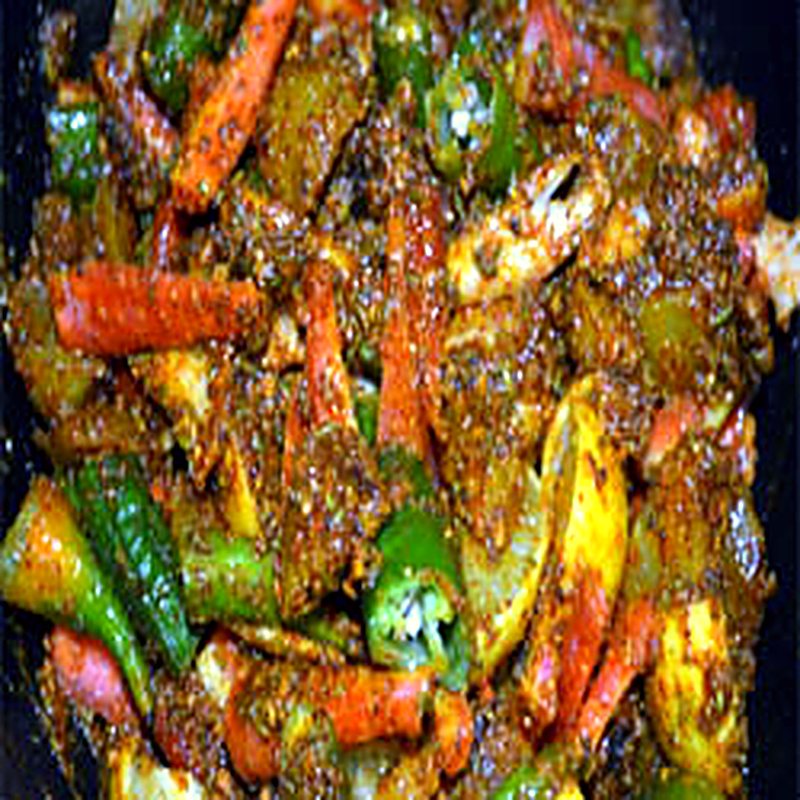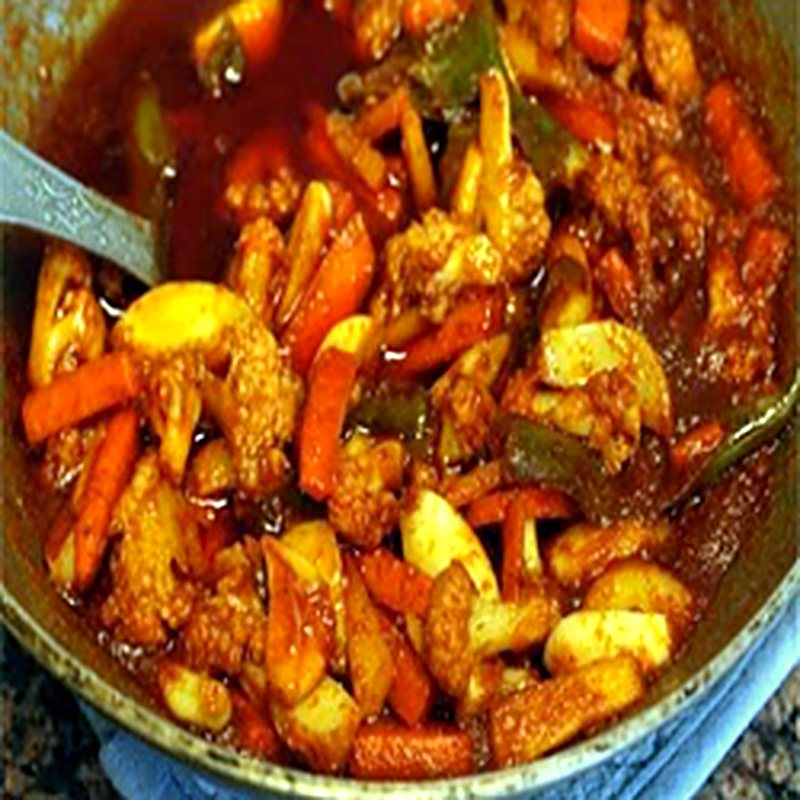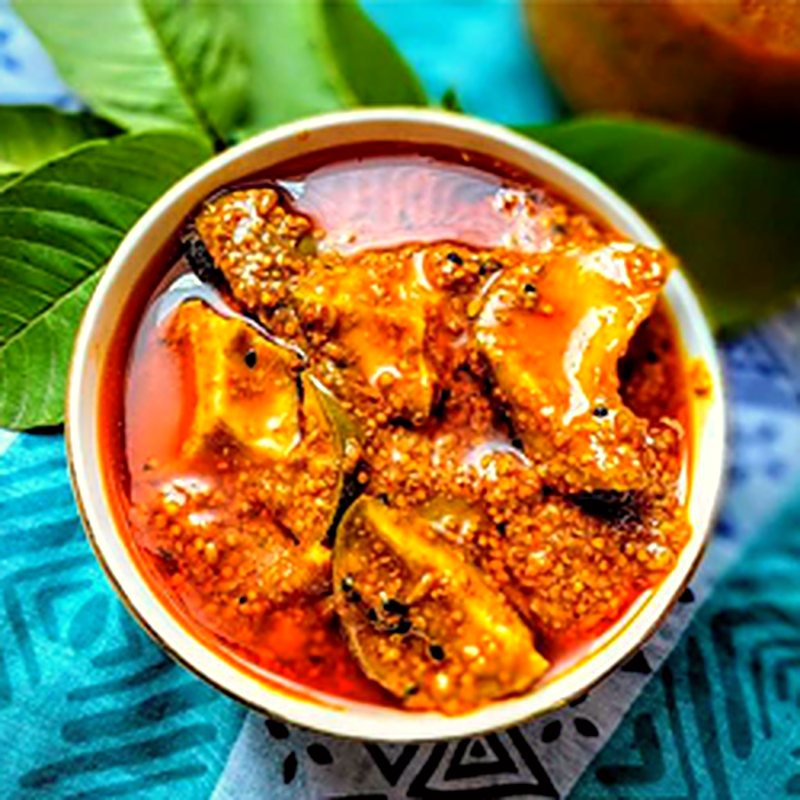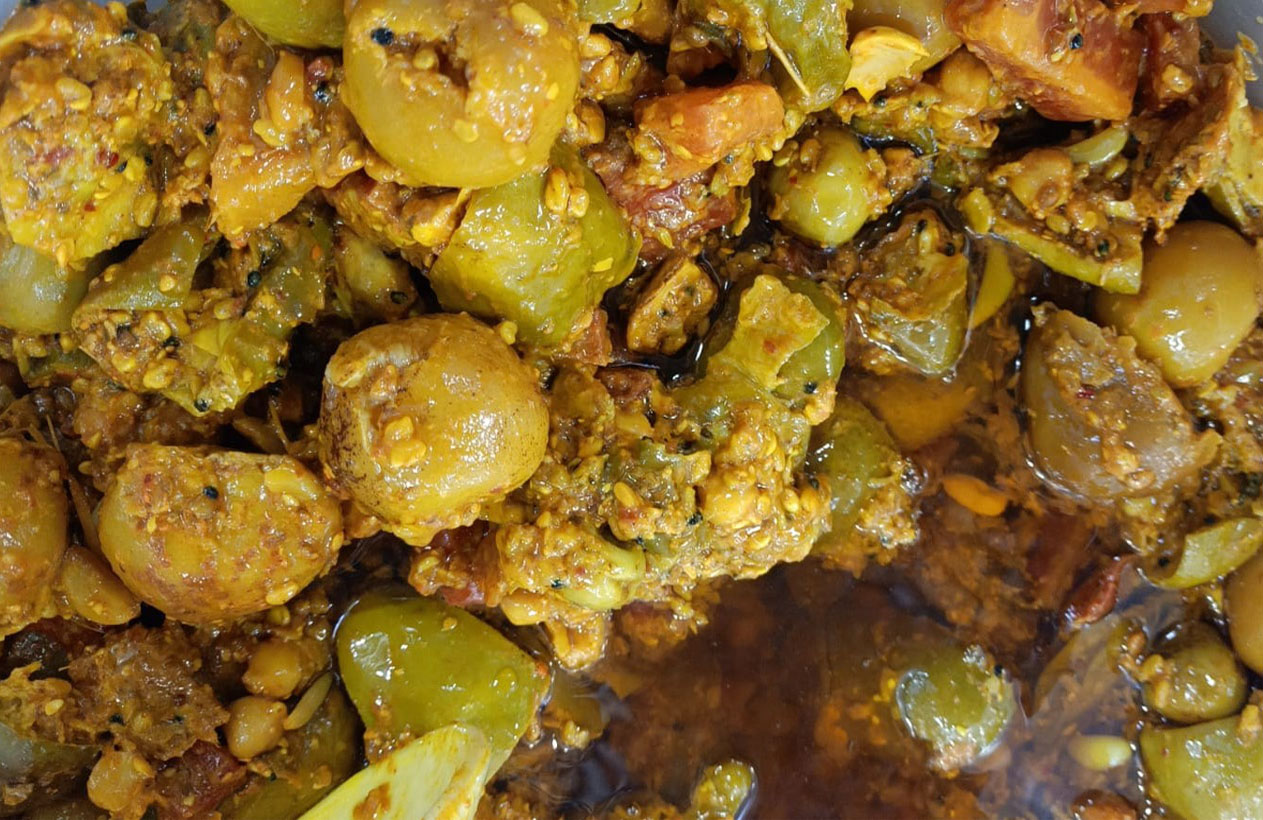
Walk into any Pakistani kitchen and you will find at least one jar of achar. Ask which kind, though, and families split into two camps: oil achar and surka achar. Here is what makes them different.
How oil achar is made
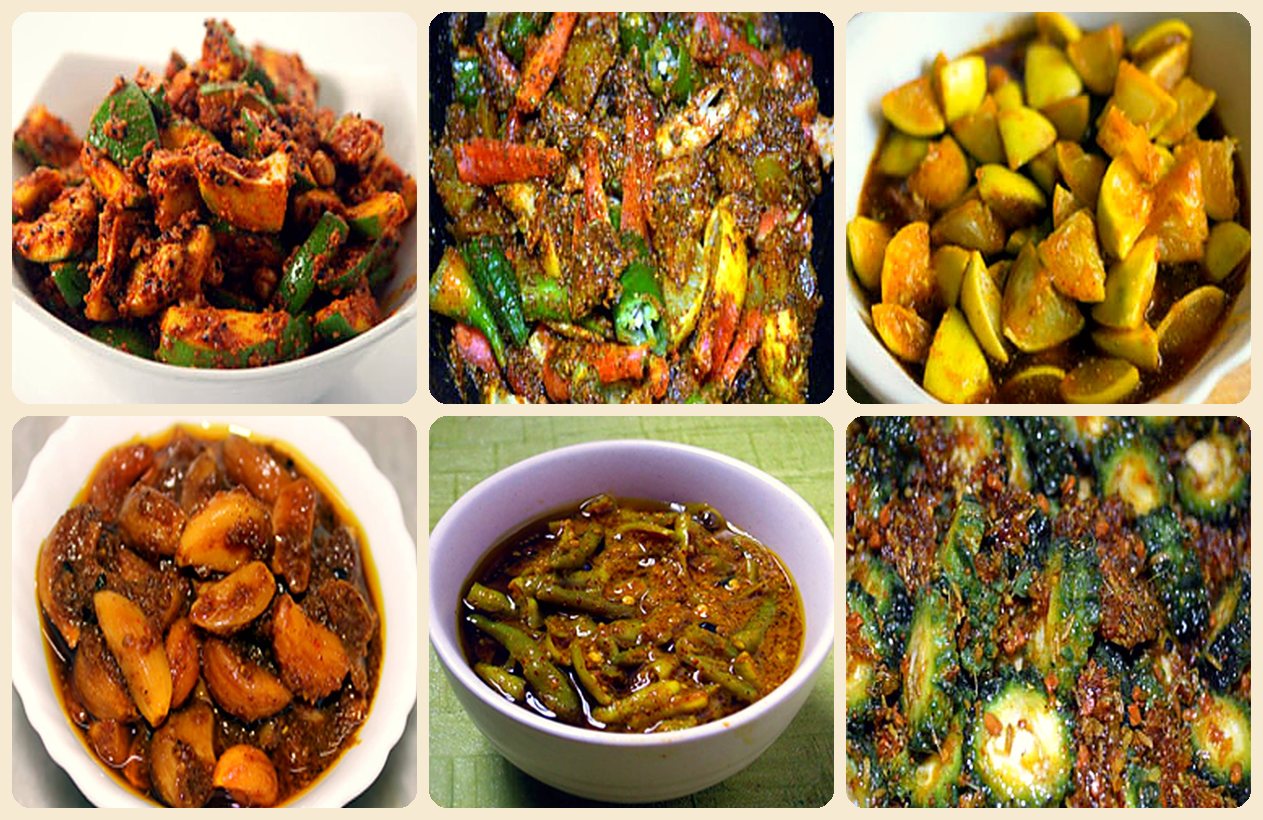
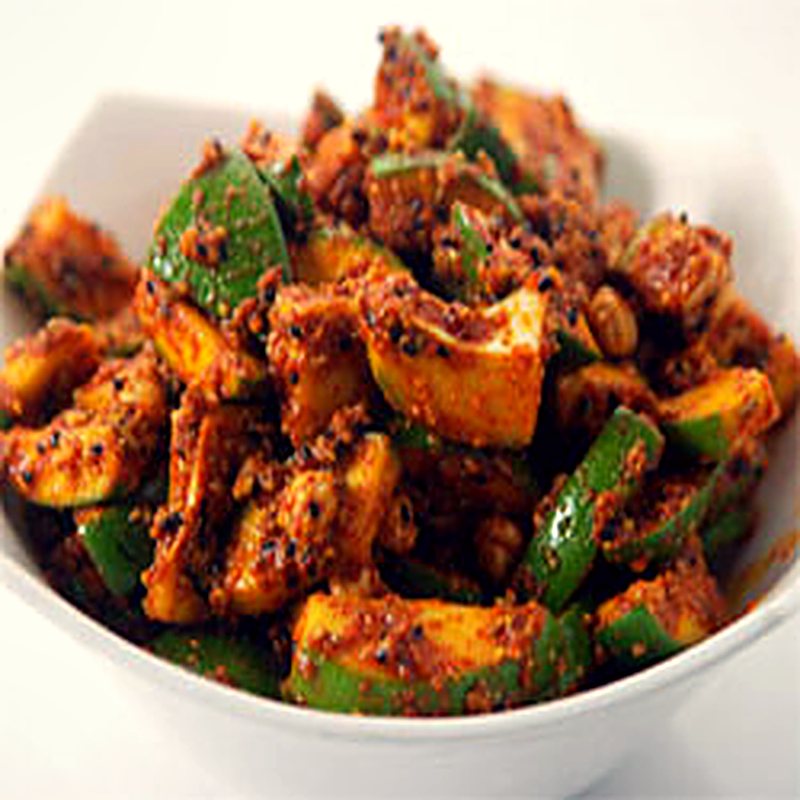
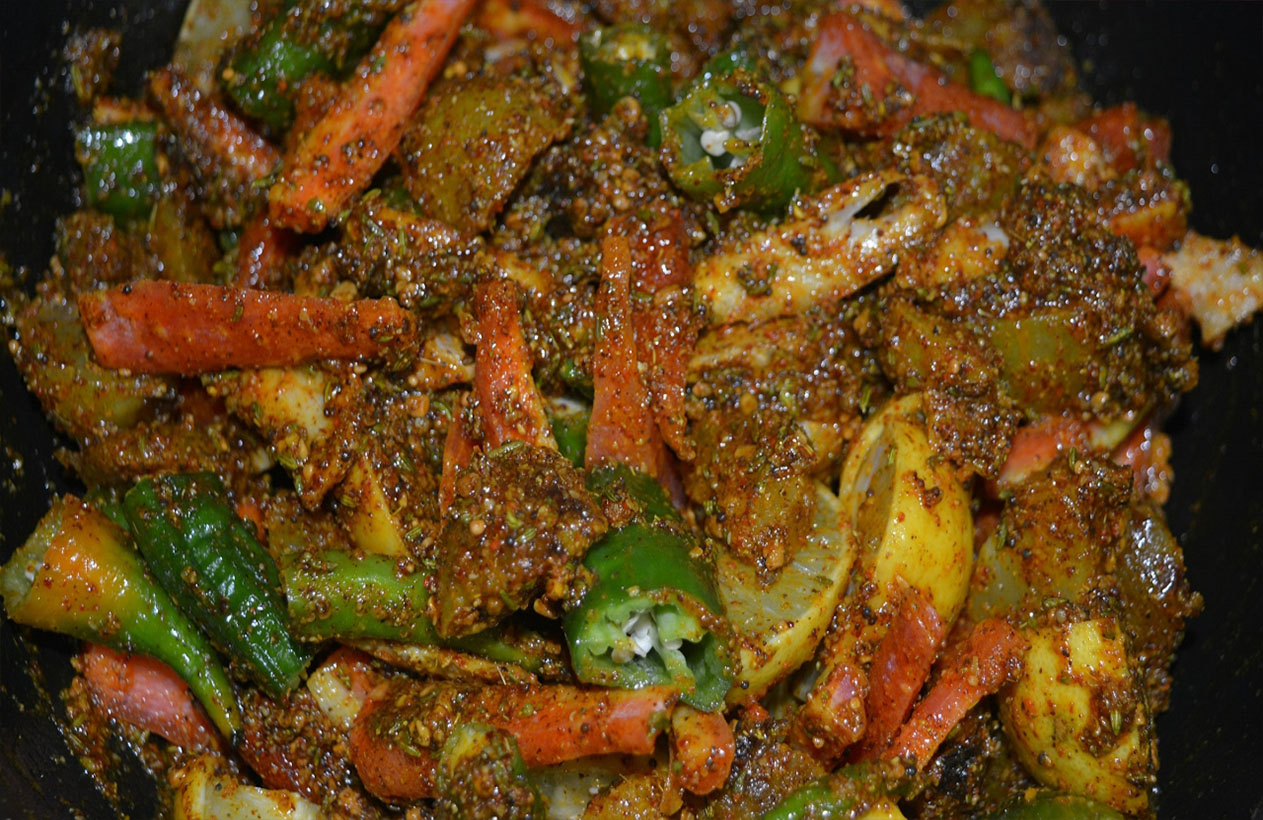
Oil achar is cured in pure mustard oil. Fruit or vegetables such as raw mango, lemon, garlic and chilli are rubbed with roasted saunf, kalonji, methi dana, rai and red chilli, packed tightly and topped with oil. Over a few weeks the oil absorbs the spices and soaks into every piece. This is the classic Shikarpuri style: bold, aromatic and rich.
How surka achar is made
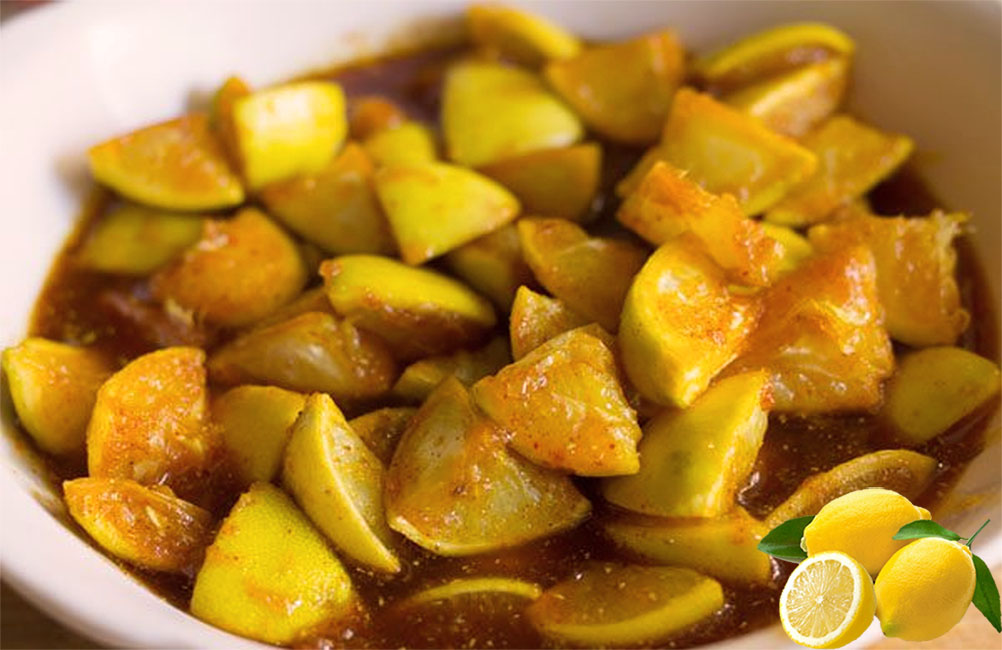
Surka achar is preserved in vinegar (surka) instead of oil. It is tangier, sharper and lighter, with a cleaner flavour that lets the fruit shine. Sindhi favourites like pani wala lemon achar belong to this family.
Side-by-side comparison
| Oil achar | Surka achar | |
|---|---|---|
| Taste | Rich, spicy, aromatic | Tangy, sharp, light |
| Texture | Soft, masala-coated | Firmer, juicier |
| Shelf life (sealed) | 10–12 months | 8–12 months |
| Best with | Daal chawal, paratha, biryani | BBQ, karahi, pulao, fried fish |
| Oil content | Higher | Very low |
Which one should you choose?
If you want the traditional taste of Shikarpur, start with aam ka achar in oil. If you prefer something lighter, or you are watching your oil intake, try surka achar. Many families keep one of each. Can't decide? Pick any 4 jars and save.