Every jar of achar on a Pakistani dastarkhwan carries a story that is thousands of years old. Long before refrigerators, people discovered that salt, oil, vinegar and spices could keep the flavours of one season alive until the next. That simple idea travelled across empires and trade routes, and in the old caravan city of Shikarpur it became something special.
Ancient beginnings: one of humanity's oldest recipes
Food historians believe pickling is one of the oldest ways people preserved food. The New York Food Museum dates it back to around 2400 BCE in Mesopotamia, and cucumbers native to India are thought to have been pickled in the Tigris Valley around 2030 BCE. Pickles were prized by travellers, soldiers and sailors because they lasted for months and made plain bread and grain taste wonderful.
Where the word "achar" comes from
The word achar is widely believed to come from Persian. In Persian, āchār described foods "preserved in salt, vinegar, honey or syrup", and it became the everyday Hindustani word for pickle in the centuries of Persian-influenced rule over the subcontinent. One of the earliest written descriptions of Indian achar comes from the Portuguese physician Garcia da Orta in 1563. The word travelled the Indian Ocean too: Malaysians say acar and South Africans atjar.
Why the subcontinent fell in love with achar
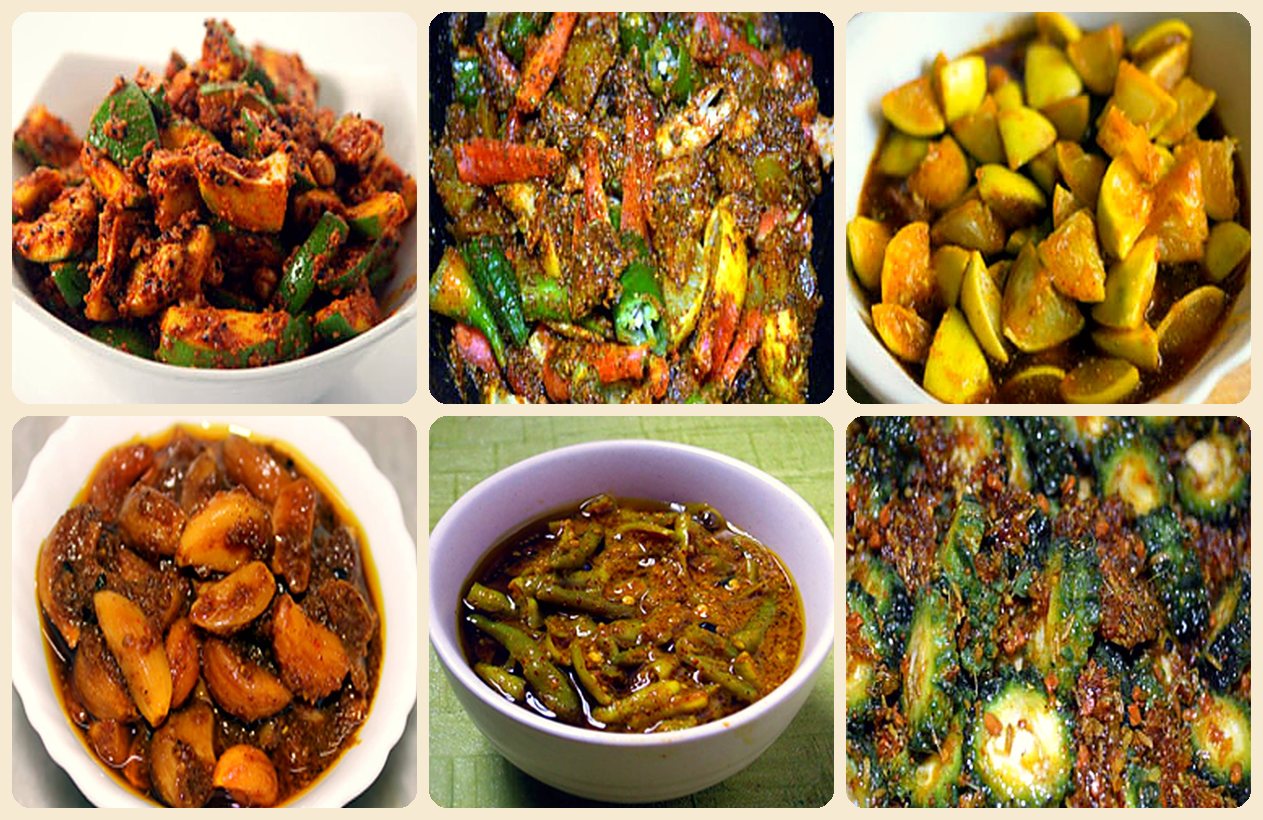
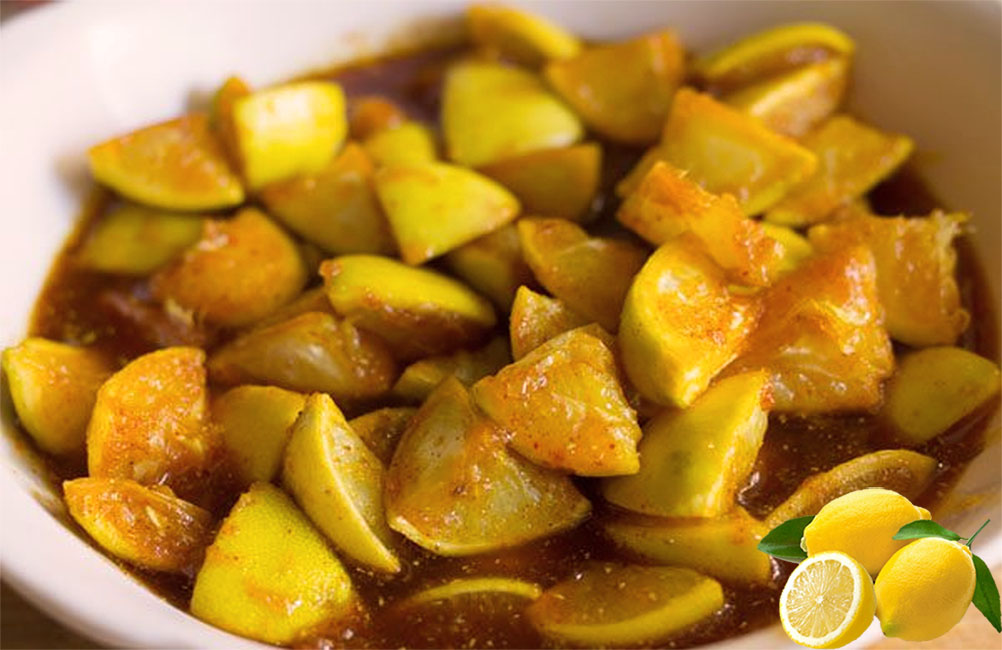
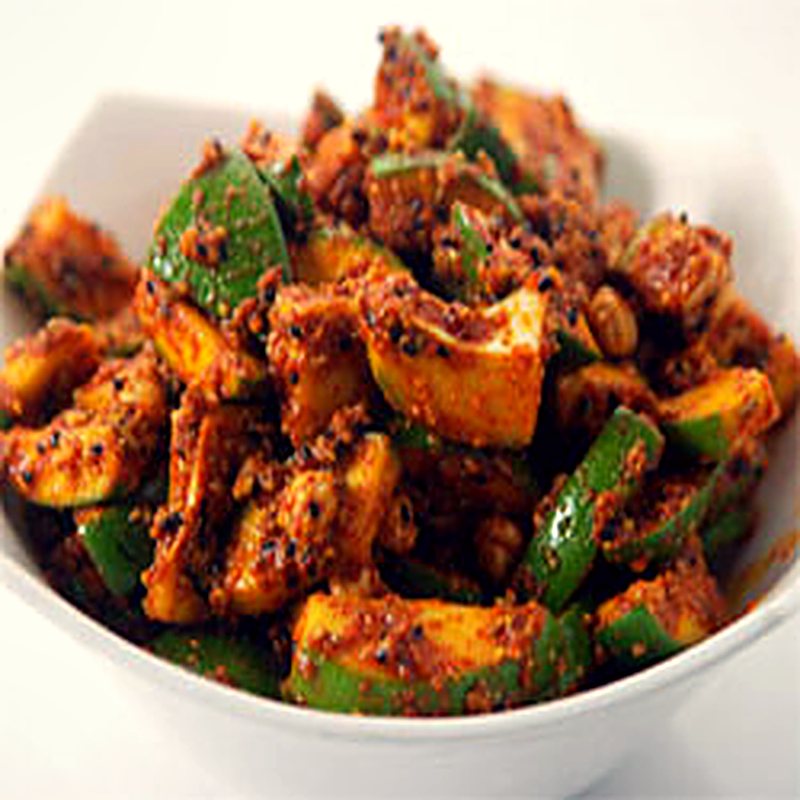
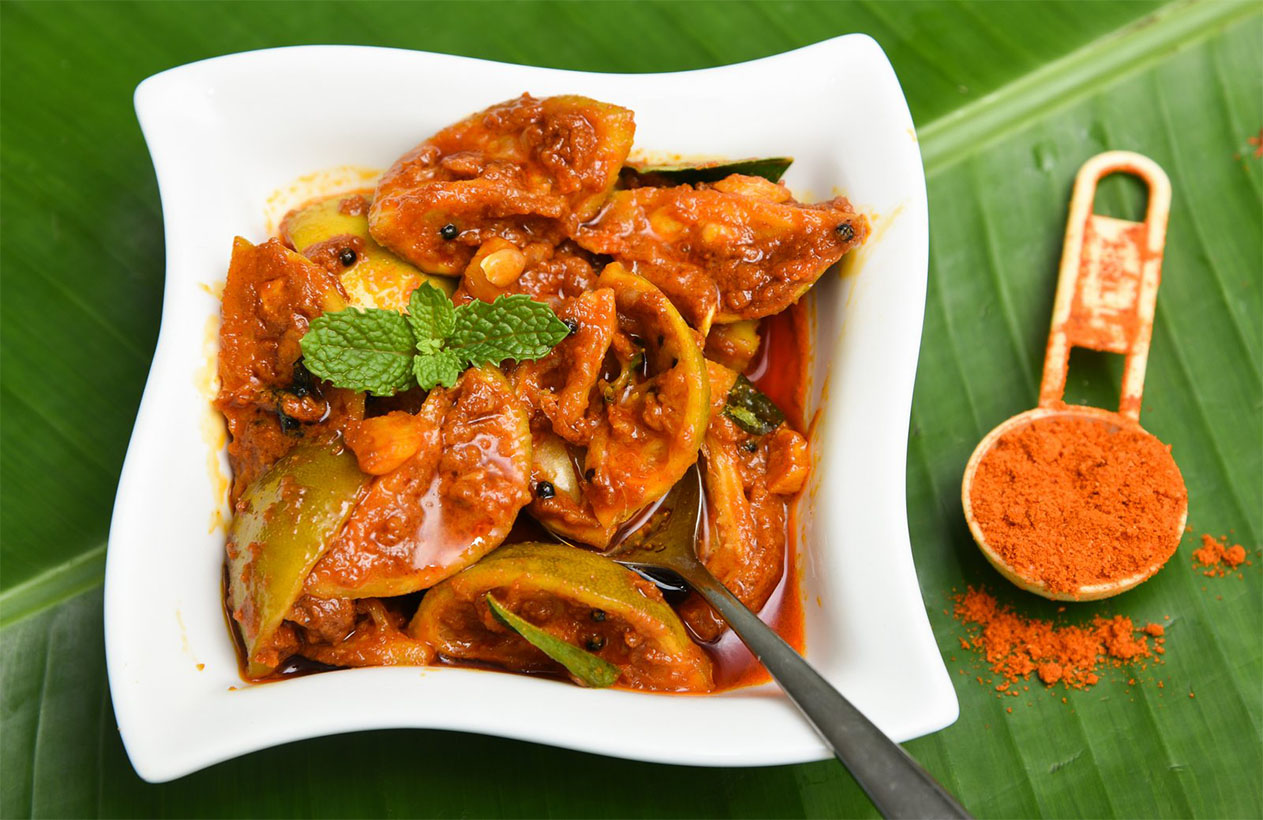
Here achar became more than a way to store food. Mangoes, lemons and green chillies arrive in short seasons, so families cut them, salted them, rubbed them with roasted spices and cured them in mustard oil to enjoy all year. Every region developed its own style: sweet, sour, oily, fiery. A meal of simple daal chawal or roti felt complete with a spoon of achar on the side.
Shikarpur: the caravan city that perfected it
Shikarpur in upper Sindh was founded in 1617 as a trading town on the caravan route through the Bolan Pass into Afghanistan. In the 18th and 19th centuries it became a main stop between Central Asia and India, and Shikarpuri merchants traded as far as Kabul, Bukhara and Samarkand. Caravans needed food that could survive long, hot journeys, and the city's kitchens had spices from across Asia within reach. The result was a bold, spicy, mustard-oil achar that kept for months and tasted even better with time.
The tradition took its familiar shape before Partition, and for generations the recipe has been passed from mothers to daughters in Shikarpuri homes. Today the city is still famous for achar, with pickle factories and shops whose jars travel across Pakistan and abroad.
Still made the old way, still delicious
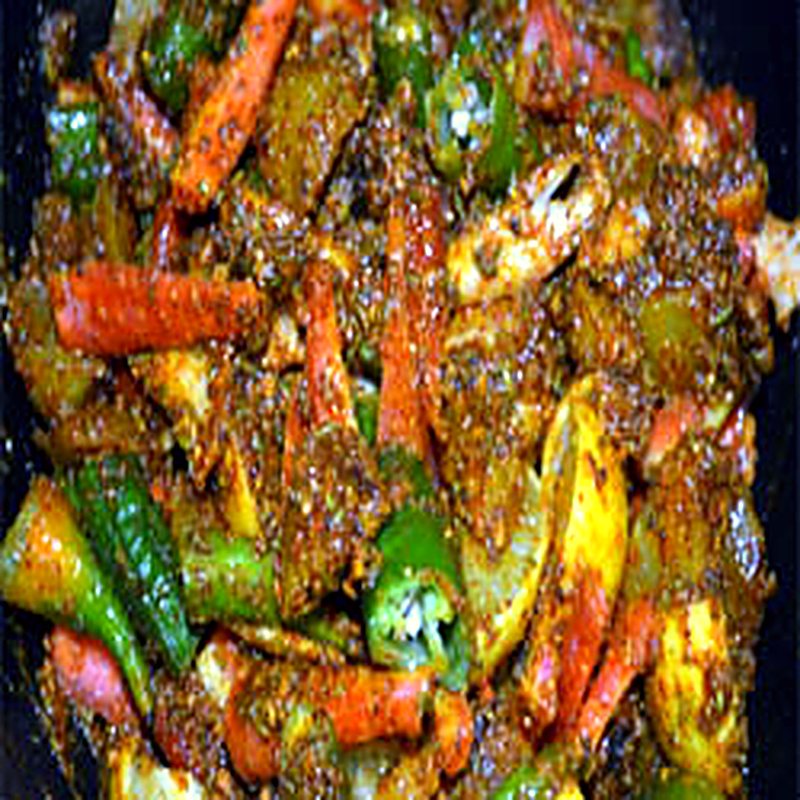
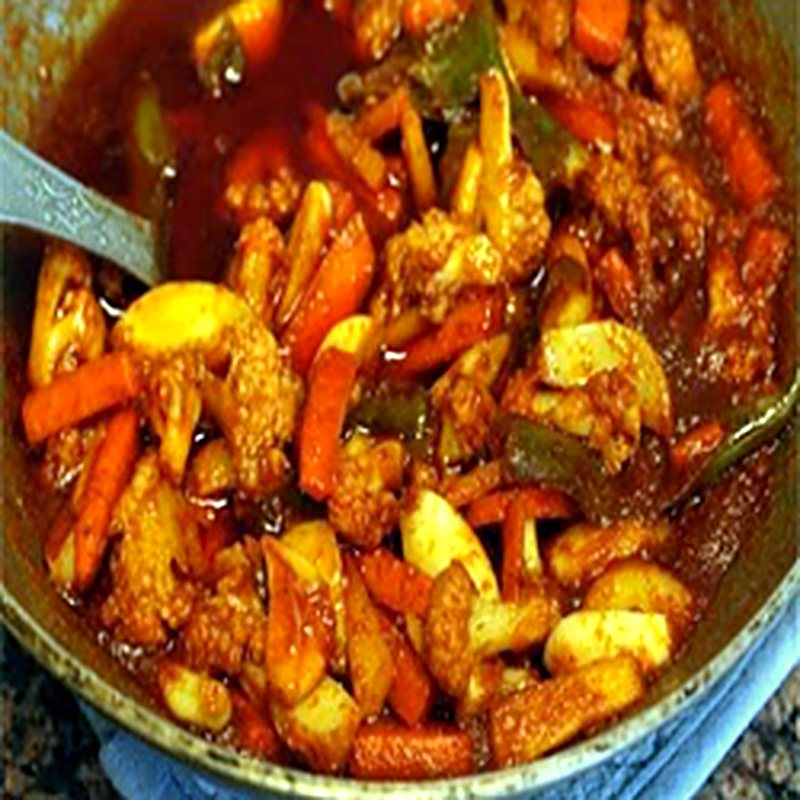
What makes Shikarpuri achar taste so good today is that the method has barely changed: raw seasonal produce cut by hand, whole spices (saunf, kalonji, methi dana, rai) roasted and ground, and patient curing in pure mustard oil until every piece is soaked in masala. No shortcuts, nothing artificial, just time.
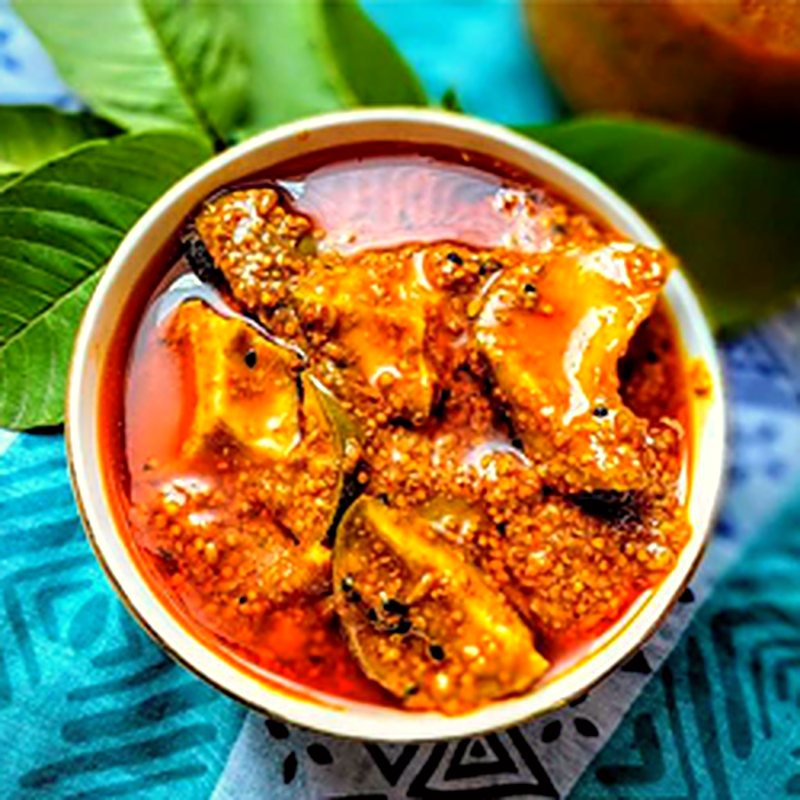
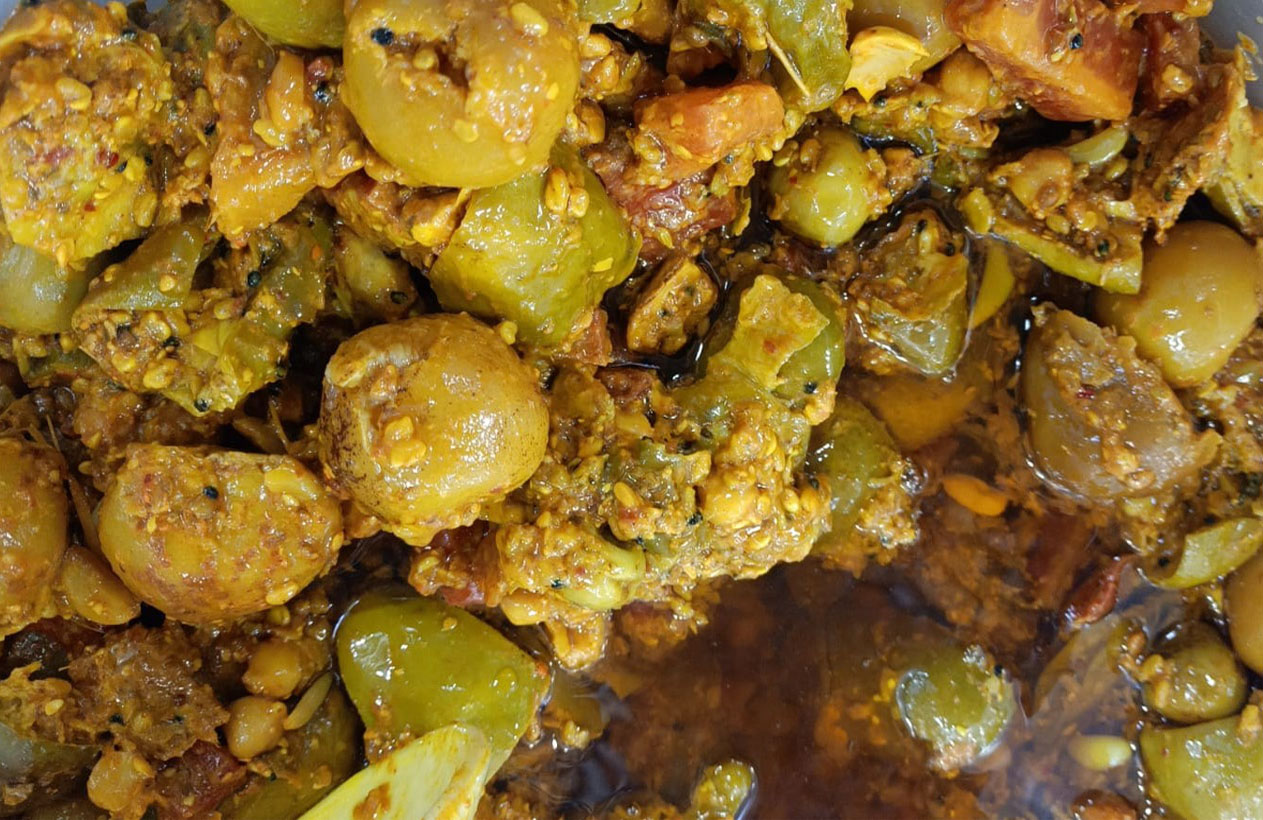
At Shikarpuri Achar we make our jars exactly this way, and since 2017 we have delivered them online to every city in Pakistan. Taste a little history: start with our aam ka achar, the family-favourite mix achar, or the rare Sindhi specials like beeh and lasoora.
A quick timeline of achar
| When | What happened |
|---|---|
| c. 2400 BCE | Pickling believed to be practised in Mesopotamia |
| c. 2030 BCE | Cucumbers from India pickled in the Tigris Valley |
| Medieval era | The Persian word āchār becomes the subcontinent's word for pickle |
| 1563 | Garcia da Orta writes one of the earliest descriptions of Indian achar |
| 1617 | Shikarpur is founded as a caravan trading city |
| 1700s–1800s | Shikarpur trades with Kabul, Bukhara and Samarkand |
| Before 1947 | The Shikarpuri achar tradition takes shape |
| 2017 | Shikarpuri Achar starts delivering online across Pakistan |